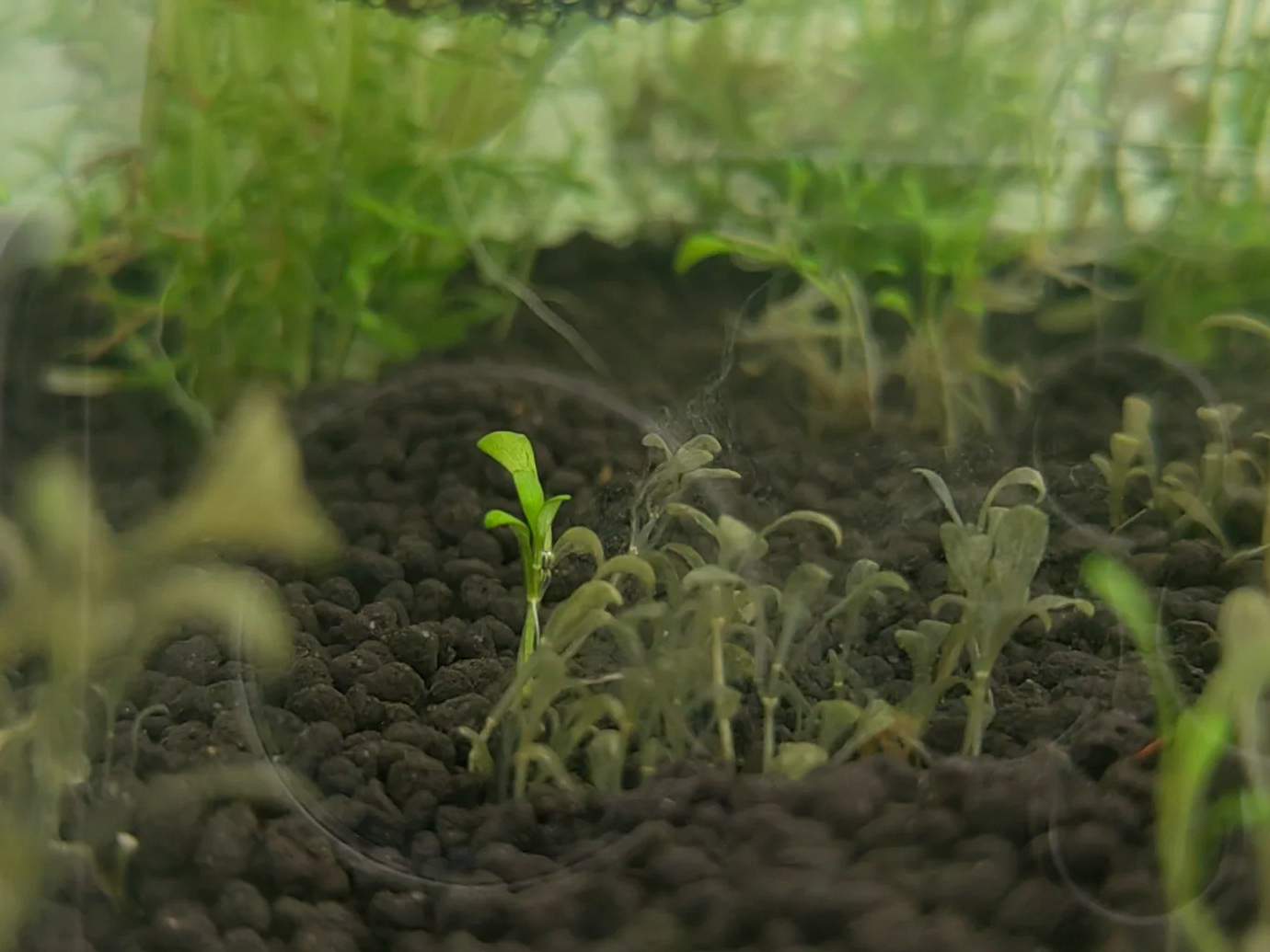
Why Are My Aquarium Plants Melting? 7 Common Causes + Beginner-Friendly Fixes
For new planted tank owners seeing transparent, mushy leaves days after planting — you’re not doing it wrong, and most cases are reversible.
If you’ve just set up your first planted aquarium, only to wake up 3–4 days later to see your once-bright plants turning translucent, mushy, and falling apart, you’re far from alone. Seeing your aquarium plants melting is one of the most common (and most panic-inducing) experiences for new aquascapers.
The good news: most plant melting in a new tank is a normal transition phase, not a death sentence. In this guide, we’ll break down exactly why it happens, which cases are normal vs. problematic, and step-by-step fixes to get your plants growing strong again.
First: Is Melting Normal in a New Planted Tank?
Short answer: Yes, very often it is.
The vast majority of aquarium plants sold today are grown emersed (above water) on commercial farms, or packaged as sterile tissue culture cups. When you submerge them underwater, the old above-water leaves cannot survive the new environment. They will naturally melt away as the plant grows brand-new, underwater-adapted leaves.
For most stem plants and carpeting plants, this transition lasts 1–2 weeks. As long as the stem crown and new growth points stay green and firm, the plant is healthy — it’s just shedding old foliage to rebuild.
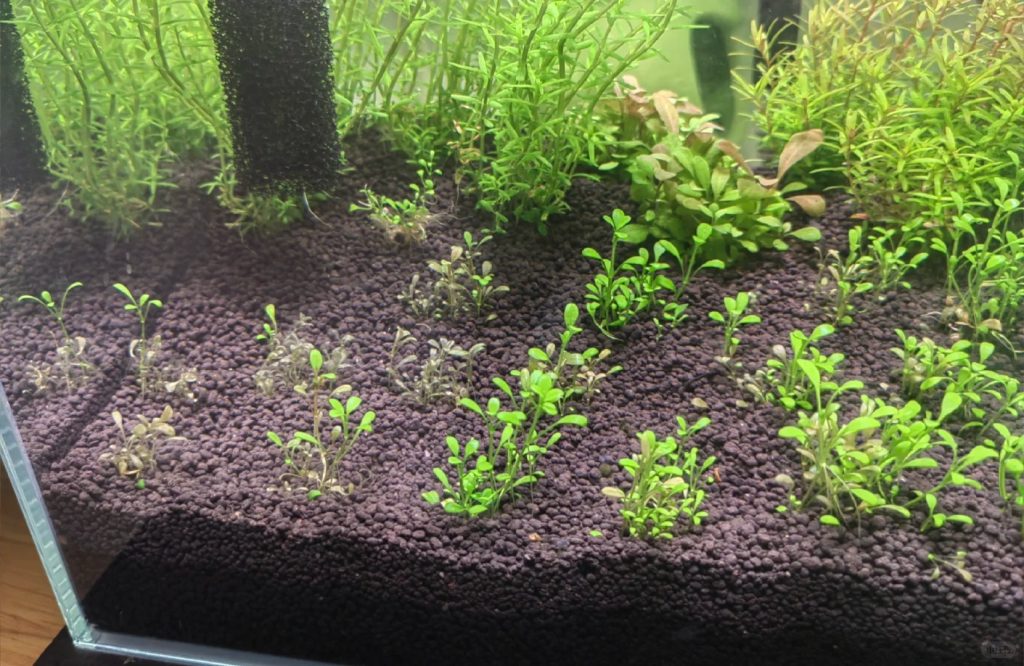
7 Common Causes of Aquarium Plants Melting
We’ve ordered these from most common (normal transition) to least common (actual problem), so you can diagnose your tank step by step.
1. Emersed-to-Submersed Transition (Most Common)
Nearly all nursery-grown aquatic plants are cultivated above water for faster growth. Tissue culture (in-vitro) plants are also grown in a high-humidity, above-water sterile environment.
When placed underwater:
- Old emersed leaves cannot function submerged and turn translucent/mushy
- The plant redirects energy to growing new, submersed-adapted leaves
- This is not a sign you did something wrong
How to fix it:
- Do NOT yank out the entire plant
- Use scissors to trim off fully melted, mushy leaves — leave any firm green stems and new bud points
- Give it 7–14 days; new tiny leaves will appear at the tops and nodes
- Add a small colony of cherry shrimp to clean up decaying leaf debris without harming healthy growth
2. New Tank Syndrome & Unstable Water Parameters
A brand-new tank has no established nitrogen cycle https://en.wikipedia.org/wiki/Nitrogen_cycle. For the first 2–4 weeks, ammonia and nitrite levels can spike, and new aquasoil releases heavy amounts of nutrients into the water. This “nutrient burn” damages delicate plant roots and leaves, especially fragile tissue culture specimens.
This matches what many hobbyists see: plants look fine for the first 2 days, then rapidly melt once the aquasoil starts leaching ammonia and excess nutrients.
How to fix it:
- Follow a structured new-tank water change schedule:
- Day 1 after planting: 100% water change to flush out initial soil dust and excess nutrients
- Days 2–3: 50% water change daily
- Days 4–7: 30% water change every other day
- Test water parameters weekly; keep ammonia and nitrite at 0ppm
- Avoid adding liquid fertilizer for the first 4 weeks — new aquasoil already has more than enough nutrients
3. High Water Temperature
Most common freshwater aquarium plants thrive in 22–28°C (72–82°F). Once water temperature stays above 29°C (84°F) for multiple days:
- Plant metabolism speeds up but dissolved oxygen drops
- Delicate stem plants and carpeting plants start melting from the bottom up
- Warm water also speeds up algae growth, which further stresses plants
This is an extremely common trigger for summer melt, especially in rooms without air conditioning.
How to fix it:
- Keep a submerged thermometer in the tank to monitor daily
- Use a small cooling fan blowing across the water surface to drop temperature by 2–4°C
- Avoid placing the tank in direct sunlight
- For sustained hot weather, consider a small aquarium chiller for high-value delicate plants
4. Poor Root Establishment
Newly planted aquatic plants do not have a working root system for the first 2–4 weeks. They survive on stored energy in their stems and leaves while roots grow into the substrate.
If the plant is not planted deep enough, gets disturbed by fish, or you keep pulling it out to “check on it”, it cannot grow roots and will slowly melt through its energy reserves.
How to fix it:
- Plant stem plants 3–5cm deep into the aquasoil, burying the bottom 1–2 nodes
- Do not uproot plants to check roots — this resets the entire establishment process
- Avoid large, digging fish (like goldfish or cichlids) in a new planted tank
- Give it 3–4 weeks undisturbed; root growth happens out of sight
5. Mismatched Lighting & CO₂
New tank owners often crank their light up to full brightness on day one, assuming “more light = faster growth”. This almost always backfires.
Unestablished plants cannot use high light levels. Without matching CO₂ and nutrient uptake, strong light causes leaf burn, algae overgrowth, and accelerated melting.
How to fix it:
- Start with only 4–5 hours of light per day for the first 2 weeks
- Gradually increase by 30 minutes per week, up to 7–8 hours daily
- If you run CO₂: run it 1 hour before lights-on, and place the diffuser near the filter intake so bubbles spread evenly with flow
- For low-tech tanks: stick to low-light plants (anubias, java fern, bucephalandra) and skip CO₂ entirely
6. Nutrient Burn or Deficiency
There are two sides to this:
- New tank nutrient burn: As mentioned above, fresh aquasoil releases heavy ammonia and nutrients. Delicate tissue culture plants are especially sensitive and can melt from root burn.
- Established tank deficiency: In older tanks (6+ months), melting leaf edges and holes often come from potassium or nitrogen deficiency, not excess nutrients.
How to fix it:
- New tanks: fix with frequent water changes (see Cause #2)
- Established tanks: test nitrate levels; target 10–20ppm nitrate, and add a balanced all-in-one liquid fertilizer according to dose instructions
- For beginners: start with hardy, forgiving plants like Hygrophila polysperma (dwarf hygro) to cycle your tank before adding delicate carpeting plants
7. Shipping & Handling Damage
Plants are living organisms. If they sat in a dark shipping box for multiple days, experienced extreme temperature swings, or were roughly handled during planting, they will shed damaged leaves.
How to fix it:
- Before planting, trim off any mushy, brown, or damaged leaves and roots
- Handle plants gently; avoid crushing stems when planting with tweezers
- Give them 1 week to recover from shipping stress before making major changes
Step-by-Step Action Plan to Stop Plant Melting
If you’re looking at a tank full of melting leaves right now, do these steps in order:
- Trim first. Cut off all fully melted, translucent leaves. Decaying leaves pollute water and speed up further melt. Leave any firm green stems and growing tips.
- Check temperature. Confirm water is under 28°C (82°F). If not, add a cooling fan immediately.
- Do a 30% water change. This dilutes excess nutrients and ammonia from new aquasoil. Use dechlorinated water of matching temperature.
- Turn down the lights. Drop to 4–5 hours per day for the next week.
- Leave it alone. Do not uproot plants, do not add random fertilizers, do not redo the entire scape.
- Wait 7 days. New growth points will appear if the plant is recovering.
When Should You Actually Worry?
Most melt is normal, but these are red flags of a bigger problem:
- Entire stems turn mushy from the crown down, not just old leaves
- New growth points also turn transparent and die
- All plant species in the tank melt at the same time
- The water turns cloudy, foul-smelling, or slimy
If you see these signs, test for ammonia and nitrite immediately — you likely have a bacterial bloom or nitrogen cycle crash.
Frequently Asked Questions
How long does aquarium plant melt last?
Normal transition melt lasts 1–3 weeks depending on the species. Fast-growing stem plants usually recover in 7–10 days; slow-growing plants like bucephalandra can take 4–6 weeks.
Should I remove melting aquarium plants?
Only remove the dead melted leaves. Do not throw away the whole plant unless the entire stem and crown are mushy and there are no green growing points.
Do tissue culture plants always melt?
Almost always. Tissue culture plants are grown in a sterile, above-water gel environment. They almost always experience some melt when first submerged. This does not mean the plant is bad quality.
Can melted leaves grow back?
Once a leaf turns translucent and mushy, it will not recover. But as long as the stem and root crown are alive, the plant will grow brand-new leaves adapted to your tank water.
Final Thoughts
Plant melting in a new tank is rarely a sign of failure — it’s the aquatic version of transplant shock. Your job is not to “fix” the normal transition, but to trim away dead foliage, keep water clean and stable, and give the plants time to grow their new underwater leaves.
If you’re setting up your first planted tank and want to avoid common beginner mistakes, check out our guide to start with low light plants Why Do My Aquarium Plants Keep Dying? Start With Low Light Plants and complete freshwater aquarium setup guide How to Set Up a Freshwater Aquarium: Complete Beginners Guide.